




Put simply, mitigation is the work of holding damage to its current size. Do not confuse it with rebuilding. Mitigation covers the steps taken ahead of repairs so undamaged materials stay that way. Our Roseville crew mitigates a loss in four moves: control the source, extract the water, contain the wet zone and stabilize the building. Done well, it shrinks the repair that follows and sometimes removes the need for one.
The words mitigation and restoration get used as if they were interchangeable. Each is its own phase of the job. The emergency stage is mitigation, where we stop the loss, keep it from spreading and stabilize the house. Restoration is what comes after: drying is confirmed, and damaged drywall, flooring and finishes are repaired or rebuilt. Because an insurer lists each one separately as well, knowing where you stand in the process is helpful.
A typical mitigation visit covers four things. One: control the source and cut off any new water. Two: extract whatever water is standing. Three: contain the area with plastic sheeting and managed airflow, so clean rooms stay free of moisture and contaminants. Four: stabilize by pulling materials beyond saving, applying antimicrobial to surfaces and setting up air movers plus dehumidifiers. We also protect furniture and belongings by moving or blocking them up.
What a Professional Brings to Water Damage Mitigation
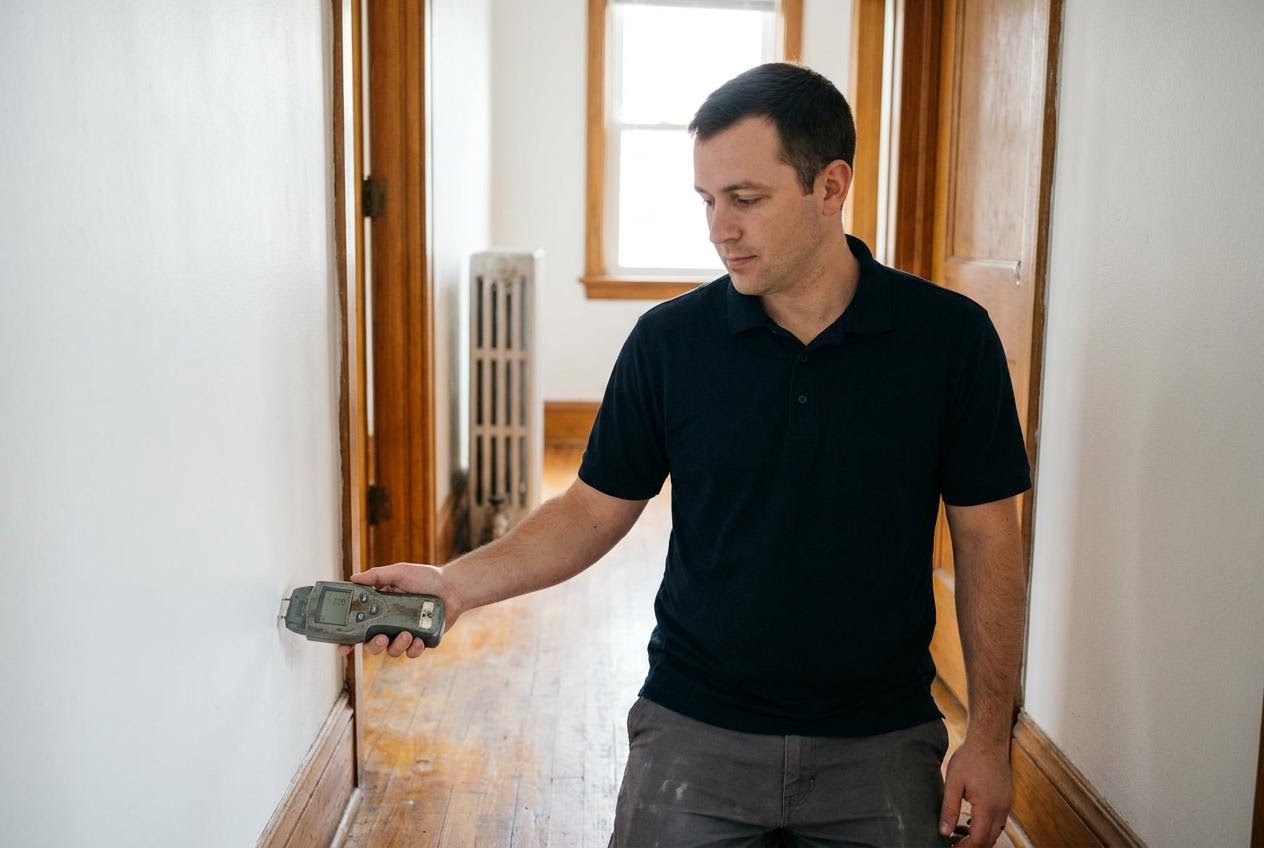
Mitigation is a series of judgment calls made quickly. Can this section of drywall dry in place, or does it need cutting out? Has the water shifted category since the leak started, and is it Category 1, 2 or 3 now? Is removing the cabinet toe kick necessary? We answer those questions with training and moisture readings rather than by the look or feel of a surface.
Good mitigation also protects your claim. Most policies require the owner to take reasonable steps to prevent further damage, and insurers want proof it was done. We photograph conditions on arrival, record moisture readings daily and keep a list of anything removed. The result is a file documenting both the damage and the steps taken. The repair contractor gets a clear place to start as well, without hidden moisture waiting behind fresh drywall.
Water Damage Mitigation Issues? We Can Help.
Our IICRC-certified technicians are standing by to help.
Call (863) 343-5968 NowComparing DIY and Professional Water Damage Mitigation
While some minor restoration tasks can be handled by handy homeowners, most water damage work requires professional expertise, specialized equipment, and proper safety training. Here's a comparison:
| Factor | DIY Approach | Professional Service |
|---|---|---|
| Contaminated water | Wiping obvious spots with bleach | Antimicrobial matched to water category |
| Drying check | Touch test on the surface | Moisture tracked until numbers are normal |
| Insurance documentation | Some pictures on your phone | Photos plus moisture readings each day |
| Source control | Close a valve, fingers crossed | Cause verified, isolated, recorded |
| Isolating wet rooms | Towels along the door gap | Sealed barriers and controlled airflow |
Signs It Is Time for Water Damage Mitigation
Recognizing the warning signs early can save you time, money, and prevent significant damage to your property. Watch for these telltale signs that professional help is needed:
- Along the floor, water is travelling out of one room and into another.
- Water is no longer flowing, though it has left wet floors, cabinets or walls behind.
- After a leak, the baseboards have swollen or started separating from the wall.
- The insurance company instructed you to take reasonable action against further damage.
- Rain is getting inside through a damaged roof or an open window gap.
- Carpet squishes underfoot, or the pad beneath it is saturated.
- Plumbing repairs are done, but no one has addressed what got wet.
Act Before It Gets Worse
What seems like a minor issue today can turn into a major expense tomorrow. Call Roseville Restoration Squad at (863) 343-5968 at the first sign of trouble.
How Our Water Damage Mitigation Works
Our systematic approach delivers quality results on every project. Here's how we handle water damage mitigation from start to finish:
Control the Source
The supply gets shut off, the broken line capped, or the opening letting water in tarped and boarded. When the permanent repair calls for a roofer or plumber, we help schedule it.
Extract the Water
Pumps and extractors take out the standing water, and we inspect the carpet and pad. Fast removal of bulk water limits damage more than drying equipment could by itself.
Contain Wet Areas
We isolate the affected rooms from the rest through airflow control and plastic barriers. That way dust, humidity and contaminants do not move through the home during the work.
Stabilize the Structure
We remove what cannot be saved, treat surfaces with antimicrobial, and place dehumidifiers and air movers. We log moisture readings each visit until the structure is ready for repairs, usually within 3 to 5 days.
Questions About Water Damage Mitigation?
Call Roseville Restoration Squad to discuss your water damage mitigation needs with a IICRC-certified technician.
Call (863) 343-5968 TodayMaintenance Tips for Water Damage Mitigation
Taking preventive measures can help you avoid costly water damage issues down the road. Follow these tips from our IICRC-certified technicians:
- Seal gaps around windows, doors and roof penetrations before the next heavy rain arrives.
- Once a month, look beneath sinks and near toilets for stains, drips or soft spots in the floor.
- Install an automatic shutoff valve that closes the main when a leak is detected.
- Clean the gutters regularly, and aim downspouts so they discharge away from the foundation.
- Leave the heat on during winter trips so the plumbing cannot freeze.
- A main shutoff that will not turn is no help, so locate and test yours.
Water Damage Mitigation FAQ
Get Water Damage Mitigation Help Today
The sooner you call, the sooner we can help. Reach Roseville Restoration Squad for same-day service.
Call (863) 343-5968 Now